
Dom/sub
What Is a Dom/Sub Relationship? D/s Dynamics Explained
In one line
A consensual power exchange where one partner takes control (the dom) and the other gives it up (the sub).
What dom/sub means
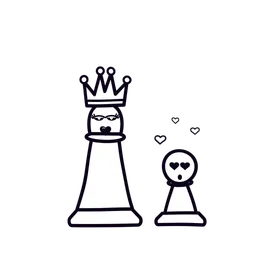
A dom/sub dynamic, often written D/s, is a consensual exchange of power between partners. The dominant (dom, or domme for women) takes control. The submissive (sub) gives up control, within limits both people have agreed on in advance. Not sure which side you're on? Take our free kink test.
D/s can be limited to the bedroom, to specific "scenes", or extend into parts of daily life for couples who enjoy it as a lifestyle. What makes it work isn't who's in charge. It's trust: the sub chooses to hand over control, and can take it back at any time.
Dom/sub vs BDSM
D/s is one part of BDSM, the umbrella term for Bondage and Discipline, Dominance and Submission, Sadism and Masochism. You can have a D/s dynamic without any pain or restraint (just instructions, rules and praise), and you can enjoy sensation play without any power dynamic.
Common types of D/s dynamics
- Bedroom-only D/s: power exchange during sex, equal partners the rest of the time.
- Scene-based: planned sessions with a clear start and end.
- Lifestyle D/s (24/7): some rules and rituals extend into everyday life, always negotiated.
- Caregiver/little: a nurturing dominant and a playful submissive, between adults.
- Master/slave: a more intense, total power exchange, for experienced partners.
- Brat and brat tamer: a playful, defiant sub and a dom who enjoys the challenge. See brat.
What D/s can look like
- Instructions: what to wear, when to touch, when to wait.
- Rules and rituals: a good-morning text, asking permission, using titles.
- Praise and rewards when rules are followed. See praise kink.
- Agreed consequences when they aren't.
- Restraint or sensation play, if both partners want it.
Negotiation comes first
Before any play, partners talk through:
- Desires: what each person hopes to feel and do.
- Limits: hard limits (never) and soft limits (maybe, under conditions).
- A safe word: "red" for stop, "yellow" for slow down. See safe word.
- Health and triggers: injuries, anxiety, past experiences.
- Aftercare: what each person needs afterwards. See aftercare.
Responsibilities on both sides
- The dom is responsible for respecting limits, watching the sub's reactions and checking in.
- The sub is responsible for being honest about limits and using the safe word when needed.
- Both can stop at any moment, and nobody should feel guilty for doing so.
Red flags
- Someone who refuses to negotiate or dismisses limits.
- "Real doms don't use safe words." They do.
- Pressure to go faster than you're comfortable with.
- Control that leaks into areas you never agreed to, like money or friendships.
Frequently asked questions
Is a dom/sub relationship healthy? When it's consensual, negotiated and both partners can stop at any time, yes. Abuse is never consensual.
Can women be dominant? Of course. A dominant woman is often called a domme.
Can I enjoy both roles? Yes, that's called being a switch.
How do I find a dom or a sub? Be honest about your role and limits on your profile, and talk at length before meeting.
Find your dynamic on Velvet
On Velvet, tags like Power Play and Total Surrender help doms and subs find each other. Anonymous chats give you time to negotiate before anything happens, and one-tap block and report keeps you in control.